While many investors chase quick returns in modern complexes, Bordeaux’s real estate market tells a different story-one of legacy, not liquidity. Families aren’t just buying walls and roofs; they’re anchoring their names in centuries-old stone, choosing homes that outlive trends. For foreign buyers, this city isn’t a transactional playground but a long-term proposition: a place where architecture whispers history and every renovation decision echoes across generations. What sets Bordeaux apart isn’t just beauty-it’s permanence.
Navigating the high-end property market in Southwest France
The allure of Bordeaux’s luxury homes lies in their deep-rooted identity. You’ll find historic échoppes-narrow 18th-century townhouses with vaulted cellars-alongside grand bourgeois residences in districts like Saint Seurin and Les Chartrons. These aren’t just buildings; they’re cultural artifacts, often built from locallimestone that ages gracefully, gaining character over time. For those seeking the pinnacle of French lifestyle, exceptional luxury houses for sale in Bordeaux offer a unique opportunity to secure a lasting family legacy.
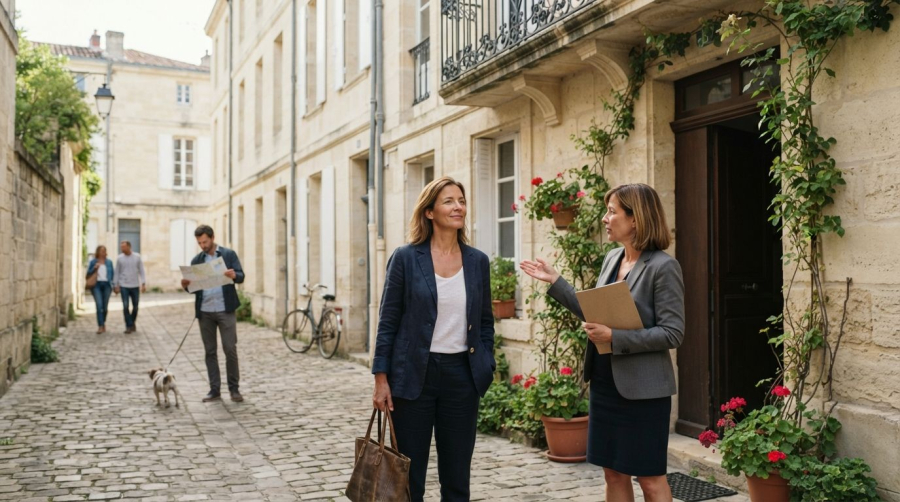
The appeal of historic stone architecture
Renovated properties in central areas typically start around 8,000 €/m², with prices climbing in the most sought-after streets near Place des Quinconces or cours Xavier Arnozan. What justifies the premium? Authentic details: herringbone parquet, ornate moldings, and iron-railed balconies that reflect an era when craftsmanship was non-negotiable. These homes aren’t just lived in-they’re curated.
Strategic neighborhoods for international investors
The Jardin Public area and the Golden Triangle (between cours de l'Intendance, cours du Maréchal Juin, and rue du Temple) remain magnets for overseas buyers. Why? Proximity to international schools, high-end dining, and the high-speed TGV link to Paris in just over two hours. These zones don’t just promise comfort-they guarantee connectivity, making them ideal for dual-residency lifestyles.
Preserving value for future generations
Limestone buildings in Bordeaux have shown consistent long-term appreciation. Unlike speculative builds, these properties act as a hedge against inflation and a tangible asset to pass on. The emotional weight of inheriting a home with original fireplaces and century-old beams? That’s not just wealth-it’s heritage transmission, where financial and sentimental value align.
Comparison of residential styles across Bordeaux districts
Townhouses vs. suburban villas
The choice often comes down to rhythm of life. Do you crave the buzz of city-center living, with cafés and galleries at your doorstep? Or does peace, space, and a private garden pull you toward the leafy outskirts? Each district offers a distinct blend of privacy, access, and architectural character.
Renovated gems vs. project properties
Turnkey homes eliminate guesswork and delays-ideal for those relocating quickly. But project properties, while demanding more time and oversight, allow full customization. That said, renovation in protected zones can take 12 to 18 months due to strict heritage regulations. The trade-off? A home shaped entirely to your vision.
| District Type | Typical Property Style | Main Advantages for Foreign Buyers |
|---|---|---|
| Central Bordeaux | Historic townhouses (échoppes, bourgeois homes) | Walkability, cultural immersion, strong rental potential |
| Residential Green Belts | Modern villas and renovated 1930s homes (Caudéran, Le Bouscat) | Space, gardens, privacy, proximity to international schools |
| Riverfront | Contemporary houses with terraces and quay access | Views, modern amenities, easy access to river activities |
The legal and financial roadmap for overseas buyers
Securing your French real estate transaction
In France, the notaire plays a central role-they’re not just a legal formality but a safeguard. The process begins with a compromis de vente (preliminary contract), followed by a 10-day cooling-off period. Once signed, the notaire verifies titles, checks for liens, and ensures all taxes are settled before the final deed (acte authentique) is registered. This system protects both buyer and seller, making fraud extremely rare.
Financing and tax considerations
International buyers often secure mortgages through French banks, with loan terms up to 25 years. Interest rates remain competitive, though lenders typically require proof of stable income. On the tax front, non-residents should be aware of wealth tax thresholds and the importance of structuring inheritance early-French succession laws can be rigid, and without proper planning, heirs may face forced shares. Professional advice isn’t optional; it’s essential.
Key criteria for a successful property search
Essential amenities for prestigious living
Today’s luxury buyers don’t just want beauty-they want balance. A private courtyard offers outdoor space without sacrificing security. High ceilings (often over 3.5 meters) bring light and grandeur. Integrated modern kitchens preserve historic charm while delivering functionality. And yes-wine cellars remain a prized feature, not just for collectors but as a nod to the region’s identity. These aren’t luxuries; they’re expectations.
Checklist for your first Bordeaux property visit
Structural and technical verifications
France mandates a series of technical diagnostics (diagnostics techniques) before sale, covering asbestos, electricity, gas, and lead. But beyond the paperwork, you need to look deeper. Limestone facades can hide moisture issues. Roofs in old buildings may need full re-slating. And while double glazing improves comfort, it must be discreetly installed to preserve aesthetics in protected zones.
Assessing the local environment
A house is only as good as its surroundings. Is the street noisy at night? Are there plans for new construction nearby? Is the nearest bakery or pharmacy within walking distance? These details shape daily life. And for non-residents, proximity to a reliable property manager can make the difference between peace of mind and constant worry.
- Inspect the quality and weathering of the limestone facade
- Check insulation standards-older homes often lack modern thermal performance
- Assess natural light and sun exposure across rooms
- Evaluate garden privacy and potential for a pool
- Verify proximity to public transport, schools, and amenities
- Look for signs of damp or structural movement in basements
- Confirm orientation-south-facing gardens are a premium feature
Frequently asked questions in practice
Can I buy a house in Bordeaux without being a French resident?
Yes, there are no restrictions for foreigners. The purchasing process is the same as for French citizens. Opening a local bank account is recommended for managing utilities, taxes, and property payments.
Is it better to buy a renovated house or a property to fix up?
Renovated homes offer immediate comfort and predictable costs. Project properties allow customization but require navigating strict heritage rules, especially in the city center, where architectural oversight is rigorous.
What common mistake should I avoid during the negotiation phase?
Don’t overlook the droit de préemption. Municipalities can sometimes exercise a right of first refusal on certain properties. A specialized agent ensures all administrative risks are identified and resolved early.
What happens regarding the management of the property once the sale is completed?
For non-resident owners, hiring a local property management service is crucial. They handle maintenance, seasonal checks, tax filings, and ensure your home remains secure and well-maintained year-round.
